Momentum
Since the Global Call for AI Red Lines was published in September 2025, its central argument, that some AI risks are unacceptable regardless of their benefits, has moved well beyond the campaign itself. Various heads of state, legislators, AI company leaders, and international bodies have taken up the call directly. Others have arrived at the same conclusion independently, using similar language to describe the problem and calling for international coordination on unacceptable risks. Together, these statements and developments point to a shift in how governments, experts and industry are talking about the limits of AI.
Policymakers and political figures
" Red lines: Human rights are not negotiable. AI must never strip away dignity or entrench discrimination. And in every high-stakes decision — in justice, in healthcare, in policing — machines can inform, but humans must decide — and answer."
“My main concern is with “lethal autonomous weapon systems”. Let us call them what they are: killer robots. Machines selecting and engaging their target and taking a life — without human control and judgment. That is morally repugnant. It is politically unacceptable. And it must be banned by international law. States are already at the discussion table. But let us not wait for atrocity to act.”
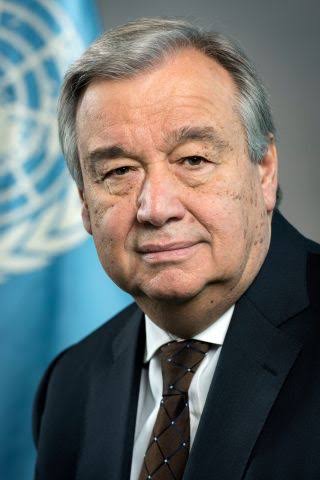
“We call on the government to take immediate action. It must bring in a dedicated AI Bill, and set up a new regulator, to create tailored, effective protection for human rights in the UK. The most dangerous uses of AI should be banned, and others should be regulated in a principled and risk-based way, with strong sanctions for companies and organisations who damage human rights through their use of AI systems.”
“At a minimum, we need countries hosting AI and those involved in its supply chains to come together around agreed red lines. We need independent verification, and much stronger collaboration on security within the industry.”
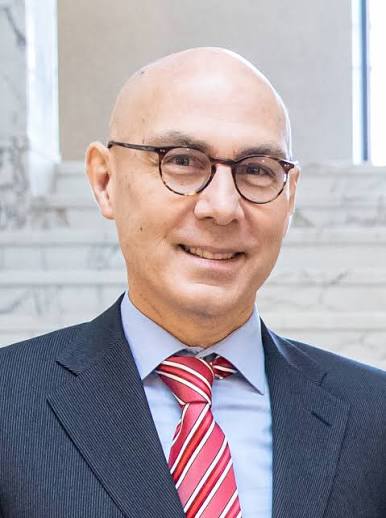
Trump and Xi must seize this moment to make clear that humans, not machines, come first. In my view, this means:
- 1. Allowing top scientists to share technical information and develop “AI redlines” about dangerous behavior;
- 2. Ensuring that AI models are safe and effective; and
- 3. Making progress towards a treaty to ban superintelligence — an artificial mind smarter than any human, capable of operating independently beyond our control.

“Will the Minister (...) ask the AI Security Institute to develop red lines for AI systems deployed in the UK (including those used by government) and bring them forward in the promised AI bill?”
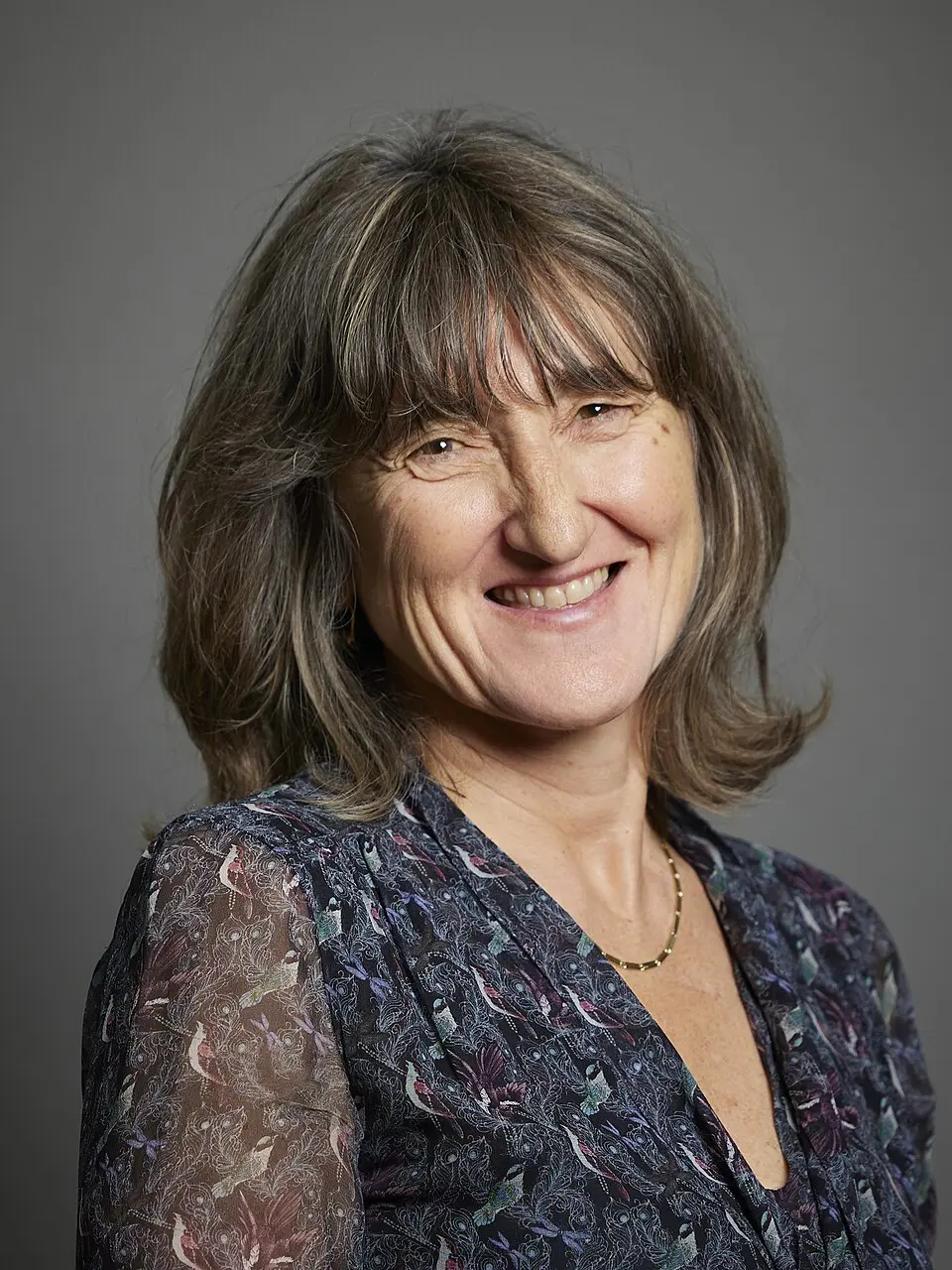
“We need to have an international conversation about what AI red lines should be.”
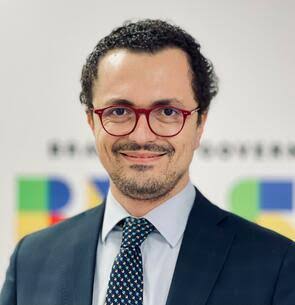
“In particular, we wish to see a commitment from governments, the private sector and all stakeholders to rapidly come to an agreement on safety measures and on the red lines that this technology cannot be allowed to cross.”
AI governance experts and advocates
“We urge your governments to establish clear international boundaries to prevent universally unacceptable risks for AI. At the very least, define what AI should never be allowed to do.”

“Earlier this week, with 200 experts, including former heads of state and Nobel laureates [...], we came together to support the development of international red lines to prevent unacceptable AI risks.”
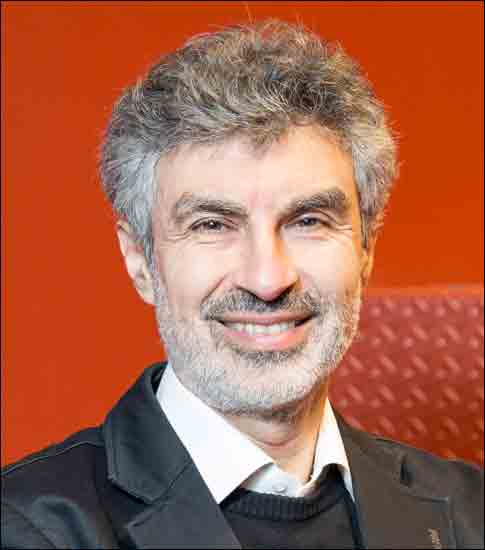
“From that foundation, the agency should have the power that matters most: to verify safety independently, and, where safety cannot be demonstrated against agreed “red lines,” to require that development pause until it can.”
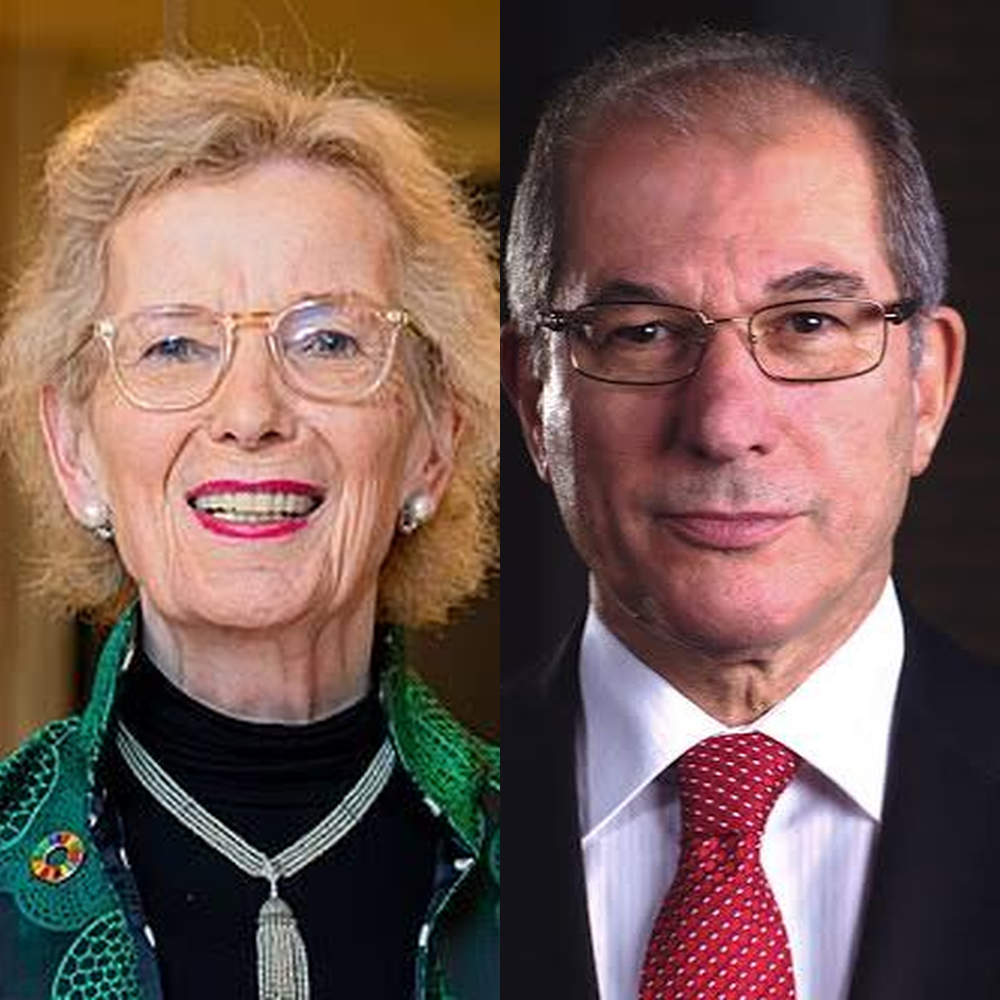
“I applaud the AI labs for caring about these redlines. Over the coming years and decades, I expect that our liberty will be in greater peril than many of us comprehend.”

“So probably the easiest thing where you might actually get collaboration would be on things that can advise you on how to create a new virus. It would be very good to check for these chatbots quite extensively whether they're safe in that respect and to have an international agreement that nobody is going to release a chatbot that will do that. That would be a very simple red line that we might actually get because the country's interests are aligned there. I think part of the point of that declaration was political — say we need this. Whether we'll actually get it, I'm much more dubious about.”
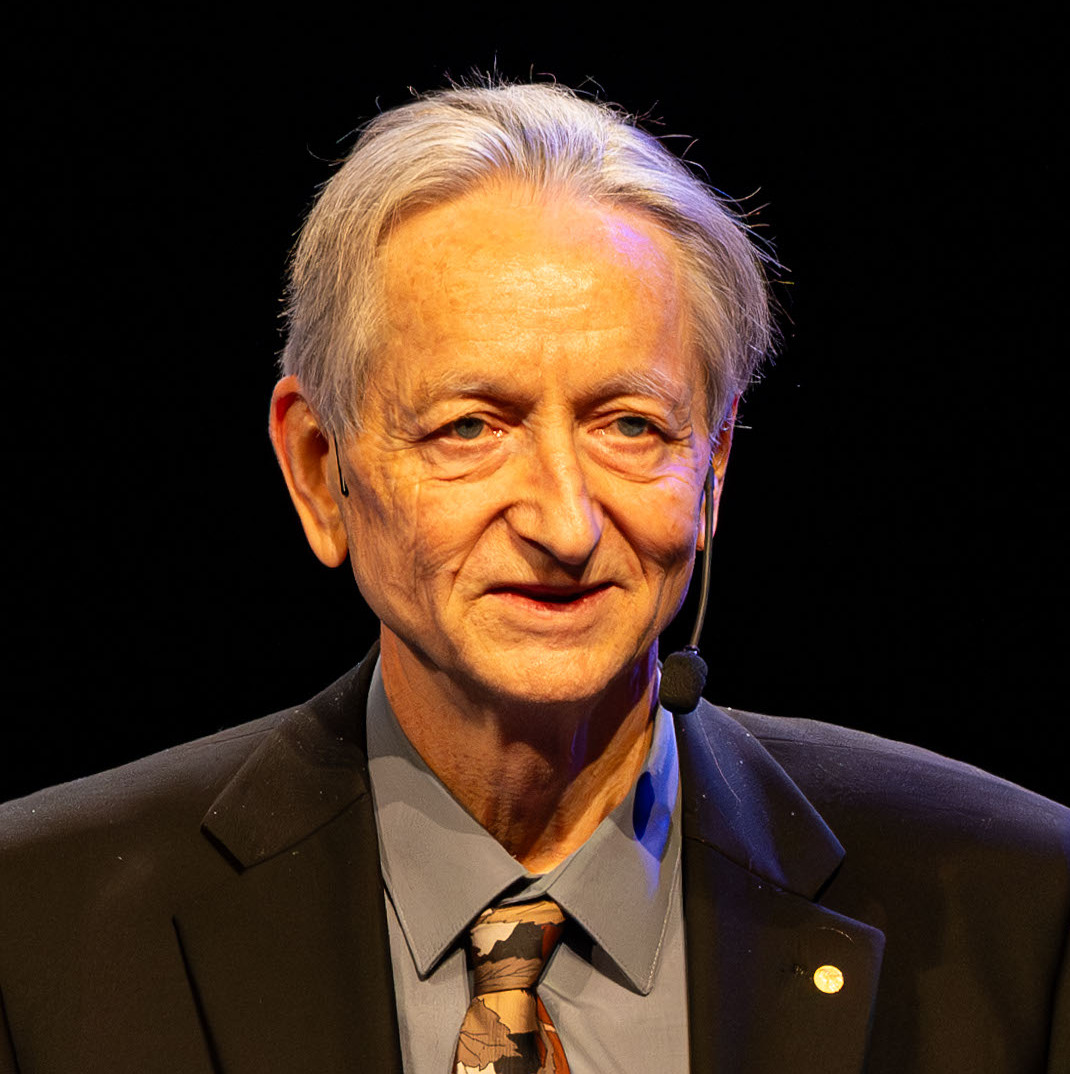
“The evidence is now clear: well-defined red lines do help. They protect fundamental rights, provide operational clarity for developers, and create space for beneficial innovation within boundaries that preserve human control.”
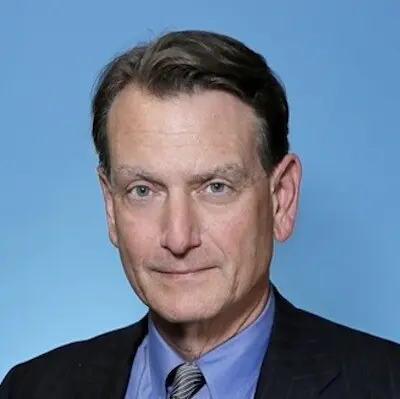
“...we have been saying for a long time... You must put in what we call red lines, meaning developers have to show their systems are not going to do these really dangerous things as a prerequisite for being able to deploy their products. So just like if you want to run a nuclear power station, you have to show it's not going to blow up...”
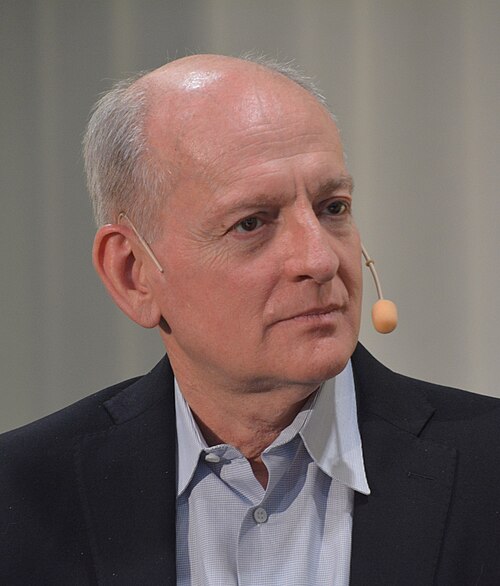
“I don't see a way out of this without there being some kind of agreement or negotiation between the leading powers and countries to pause, slow down, set red lines, for getting to controllable AI.”

“The proposal for international accords to prevent two ultimate risks posed by AI to human civilisation explicitly says that it will mirror earlier international agreements banning specific categories of weapons, whose consequences are deemed intolerable. And the question at the heart of these two red lines is not whether AI provides benefits, it clearly does, but whether any risk that threatens the survival of civilization should be tolerated at all, and of course, it should not.”
Industry
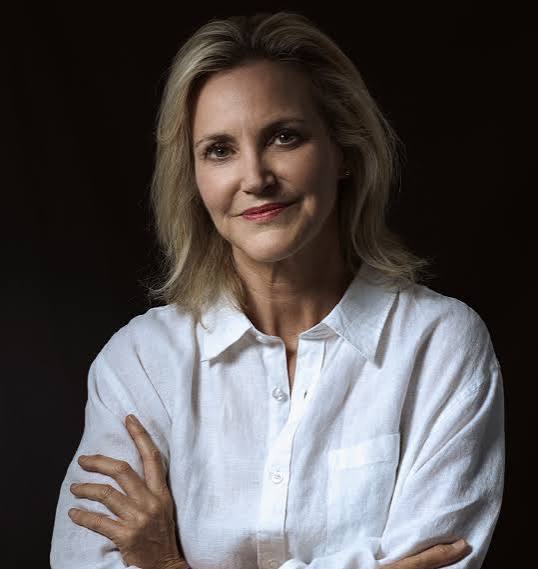
“The red lines we have drawn, we drew because we believe that crossing those red lines is contrary to American values.”
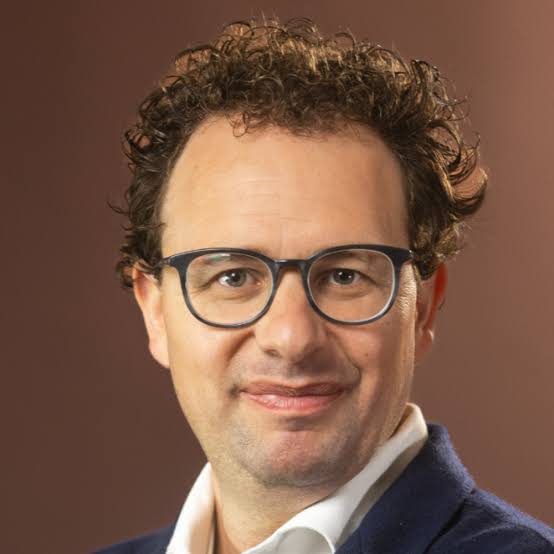
“It is essential that our AI researchers and their AI researchers are actually talking." / "It is essential that we try to both agree on what not to use the AI for.”
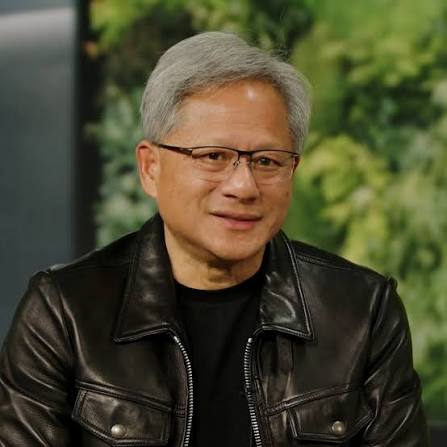
“If an AI has the ability to recursively self-improve - that is, it can modify its own code - combined with the ability to set its own goals, combined with the ability to act autonomously, combined with the ability to accrue its own resources…That would be a very powerful system that would require military-grade intervention to be able to stop…And so it's on me as a model developer at Microsoft, my peers at the other companies, and the governments to audit and regulate those capabilities.” /“I think some people think that it's inevitable that superintelligence is going to exceed human control. But I don't agree with that. I think that would be very, very dangerous, and it means that we're going to have to make decisions about what we're not going to do.”
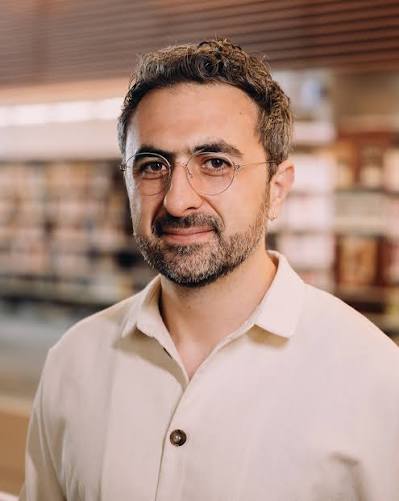
“There are some things that very clearly a model should not be able to do. There are some clear red lines.”
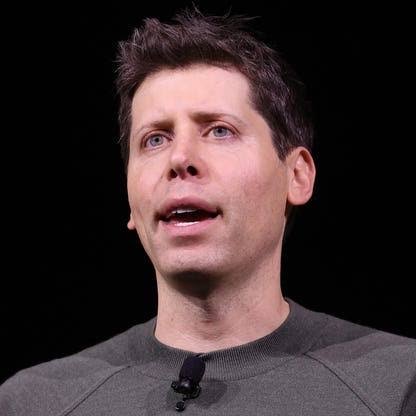
“I expect and hope for voluntary slowdowns to become commonplace until shared safety bars are established. And I believe that international coordination on future AI development needs to become a top priority for governments around the world.”

September 2026 letter from the Call's organizers
Read our letter reflecting on the developments, setting out what has changed since the launch one year ago and what needs to happen next.